🤖 Inference APIs
APIs and runtimes for AI models, especially LLMs, enable powerful text generation and processing in apps. They serve as the foundation for many AI solutions and allow easy integration, making advanced AI accessible for developers.
An AI inference API is a hosted endpoint that runs a model for you, so you send a request and get tokens back without provisioning GPUs. This directory lists 50 of them, alongside 36 GPU clouds and inference engines in the same category. Multi-model APIs covering both open-weight and proprietary models include OpenRouter, deepinfra, Groq, together.ai, fireworks.ai, novita.ai, Cerebras and SambaNova. Model labs that serve their own models directly include OpenAI, Anthropic Claude, Google Gemini API, Mistral, cohere and DeepSeek. Hyperscaler options include Amazon Bedrock and Cloudflare Workers AI. For European data residency, Scaleway, IONOS AI Model Hub, Lyceum, Berget AI, Cortecs AI, Infercom, Opper, Tensorix and WAYSCloud are headquartered in Europe and serve inference from European data centres. Most offer a free tier to test with before committing.
115 tools
Featured



Hosted Inference APIs 63







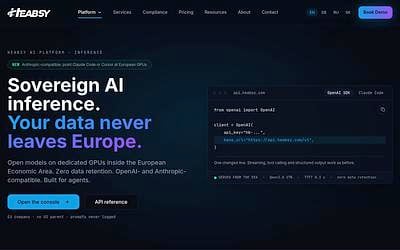



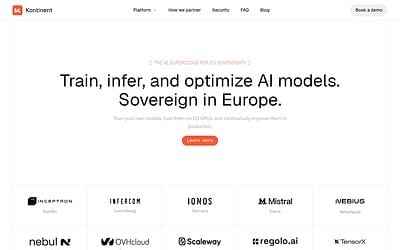

OpenAI-compatible API for open-weight models, with in-region deployment on reserved capacity



OpenAI-compatible inference, GPU sandboxes and dedicated B200s, hosted in Spain and billed in euros

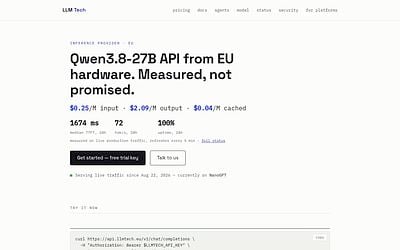

Hosted API access to Qwen and third-party models across six global regions






Unified API for image, video, audio and 3D generation running on custom inference hardware




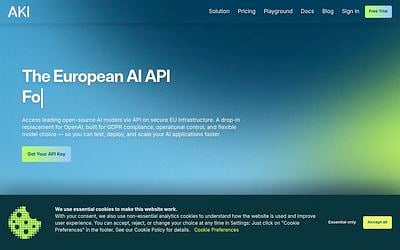
European inference API serving 60+ open-weight models on OpenAI- and Anthropic-compatible endpoints
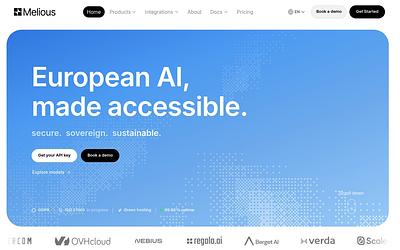



OpenAI-compatible inference API run on Italian infrastructure with zero data retention




OpenAI-compatible API for open-weight LLMs and image models, hosted in IONOS EU data centers







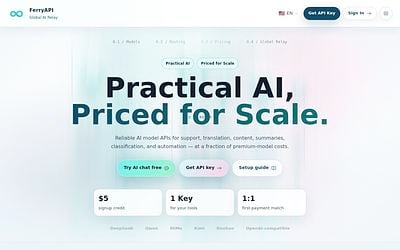

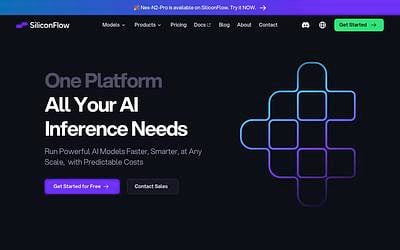







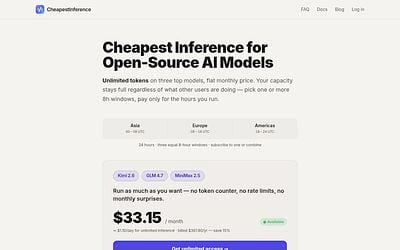





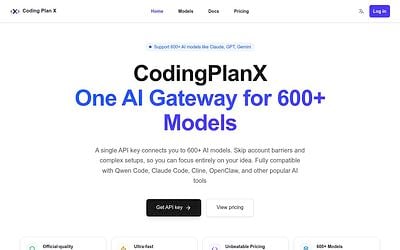



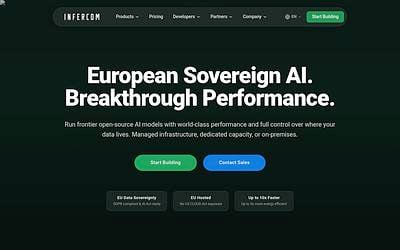
European sovereign AI inference with OpenAI-compatible APIs hosted in EU datacenters










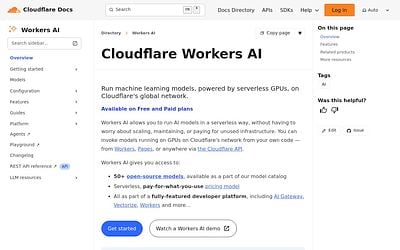
Run AI models at the edge on Cloudflare's global network with serverless inference

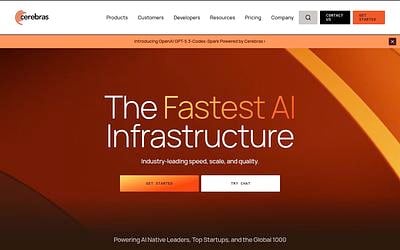

Custom AI chip inference platform with purpose-built hardware for high-throughput LLM serving
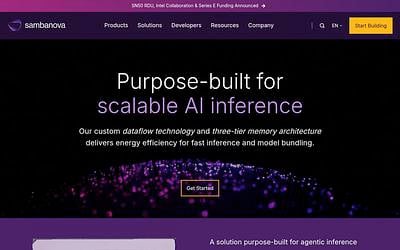

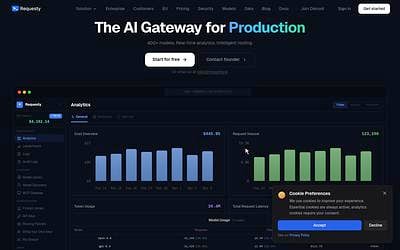
Unified API for 400+ AI models across 60+ providers, OpenAI SDK-compatible, pay-as-you-go

Google's API for Gemini models with text, image, video, and audio capabilities


Managed API access to foundation models on AWS with built-in fine-tuning and agent tooling
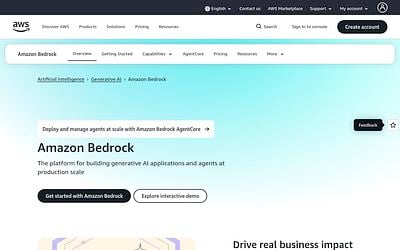

Cost-effective inference API with OpenAI-compatible endpoints and open-weight models






Claude API for building AI applications with Opus, Sonnet, and Haiku models



LPU-powered inference API for LLMs, speech, and vision models with usage-based pricing








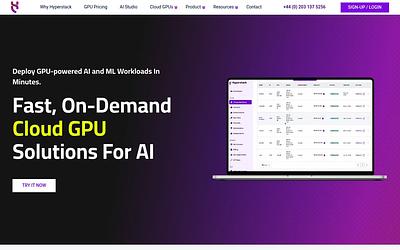
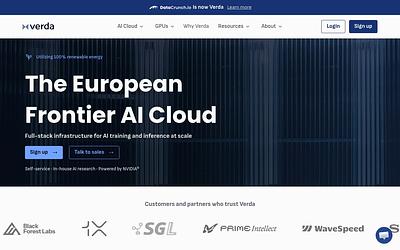
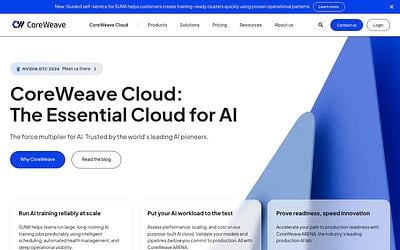
GPU Clouds 19

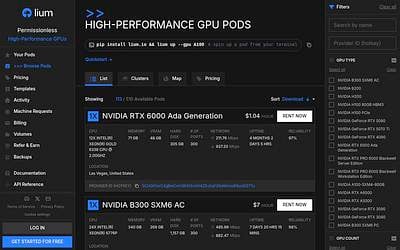
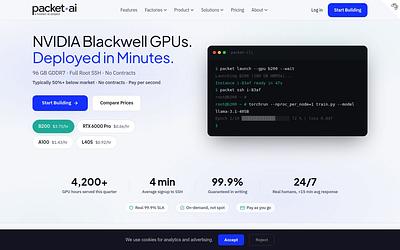
GPU rental marketplace where independent providers list verified NVIDIA hosts, billed per second

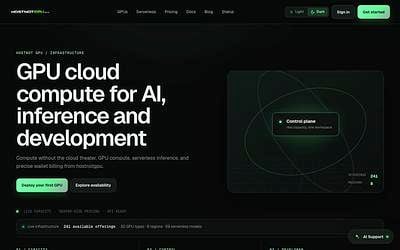




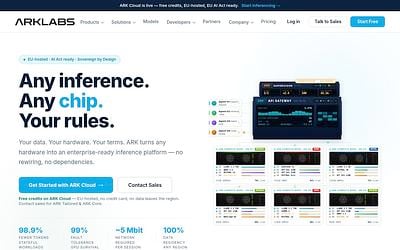
Sovereign AI inference infrastructure for regulated EU environments, with heterogeneous GPU support




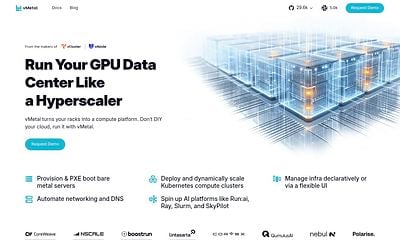
GPU rental and model serving across hosted, AWS and community-run nodes, billed by the hour
















LLM Gateways 11

Proves a cheaper model matches your current one on your own prompts, then routes to it




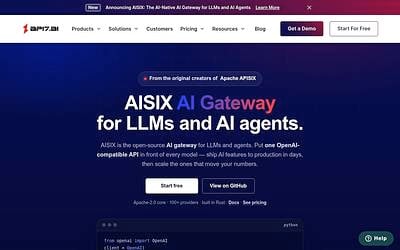
Open-source AI gateway in Rust with one OpenAI-compatible API across 100+ LLM providers

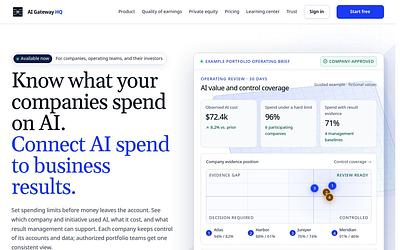
LLM gateway built around spend limits enforced before a request reaches a provider

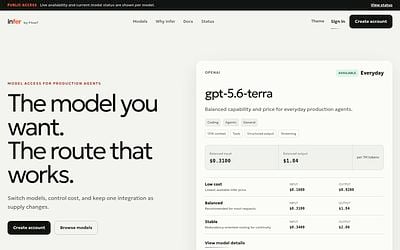
OpenAI-compatible gateway that routes each request to a smaller model and returns a cost receipt


OpenAI-compatible proxy that trims LLM token usage before requests reach your provider


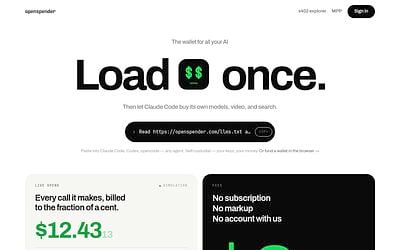
Payment router for AI agents: pay per request across LLM APIs and tools from a self-custodial wallet




Serverless GPU 7

Open-source serverless GPU cloud with sub-second cold starts and auto-scaling







Decision Models 5


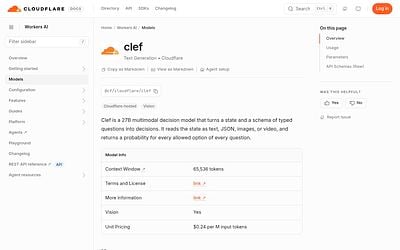

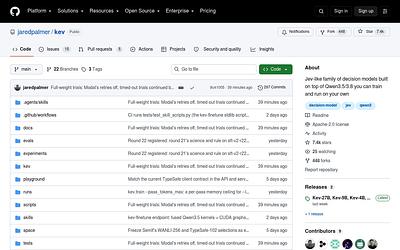
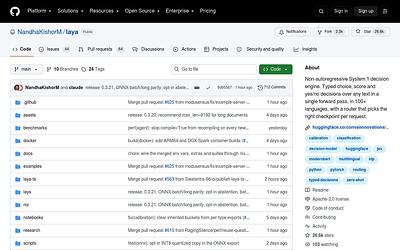
Open decision models from 0.8B to 27B, built on Qwen and compatible with TypeSafe's Jev API.


Inference Engines 4


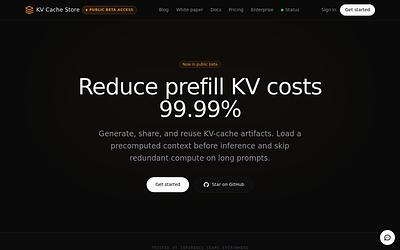
Build, share and reuse precomputed KV-cache artifacts to skip redundant prefill

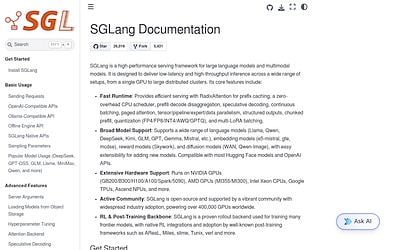

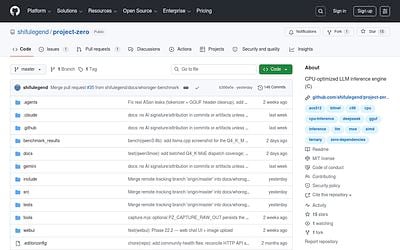
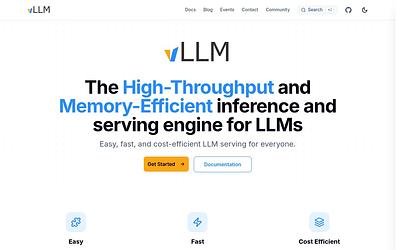
High-throughput LLM inference engine with PagedAttention for efficient GPU memory usage
Other 4







Inference APIs overview
Inference API providers give developers access to large language models without managing GPU infrastructure. These services expose model endpoints via REST or gRPC APIs, handling scaling, load balancing, and hardware optimization behind the scenes. Most support the current open-source frontier (gpt-oss-20B and gpt-oss-120B, Kimi K2 family, Qwen3.5 family, GLM-5, DeepSeek V3.2, MiniMax-M2, NVIDIA Nemotron) alongside Meta Llama 3.x and 4.x and proprietary offerings.
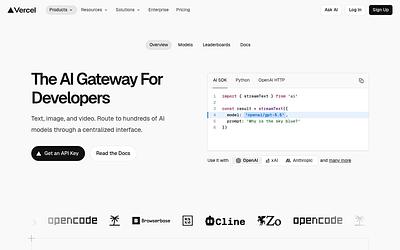
The competitive landscape has shifted toward speed and cost efficiency. Providers differentiate on sustained throughput (tokens per second), time-to-first-token latency, supported model catalog, and pricing models (per-token, per-request, or reserved capacity). Custom inference hardware from Cerebras and Groq competes with GPU-based providers like DeepInfra, Together.ai, Fireworks, and Novita on different metrics. OpenRouter provides a unified gateway that routes requests across providers from a single API.
For teams building production applications, the choice of inference provider affects user experience directly. Factors like geographic availability, uptime SLAs, streaming support, function calling, structured outputs, fine-tuning options, and batch inference pricing all matter when selecting a provider.
Browse other categories
Related stacks
See how inference apis tools fit into a full infrastructure stack.
Frequently Asked Questions
What is an LLM inference API?
An LLM inference API is a hosted service that runs large language model predictions on your behalf. You send prompts via HTTP requests and receive generated text back. The provider handles GPU allocation, model loading, scaling, and optimization, so you can focus on building your application.
How do I choose between inference API providers?
Consider latency requirements, supported models, pricing structure, geographic availability, and features like streaming, function calling, and batch processing. Run benchmarks with your actual workload, as performance varies significantly by model size and prompt length.
Is it cheaper to self-host or use an inference API?
For most teams, inference APIs are more cost-effective until you reach consistent high-volume usage. Self-hosting requires GPU procurement, ops expertise, and handling idle capacity. APIs let you pay per token and scale elastically. The break-even point depends on your traffic patterns and model choices.
What is time-to-first-token and why does it matter?
Time-to-first-token (TTFT) measures the delay between sending a request and receiving the first token of the response. Lower TTFT creates a more responsive user experience, especially in chat interfaces. It is influenced by model size, hardware, request queue depth, and whether the provider uses speculative decoding or other optimization techniques.
Is your product missing?